
Physical, as in real estate. It’s like the Irish love affair never really ends, even when the relationship turns toxic.
It’s something you see at every family dinner. Someone mentions buying a gaff to rent out, and suddenly everyone has an opinion. The stock market is for gamblers and suits. Property is real. The property is safe. Property is what you can touch.
But is it actually the better investment in 2026? Or is it just the one we understand better?
Let’s just get real for a minute. Don’t worry about the stories about your neighbour who bought a house in Galway in 1998 for a tenner and sold it for a fortune. Take a look at the numbers today. You might be surprised by the maths.
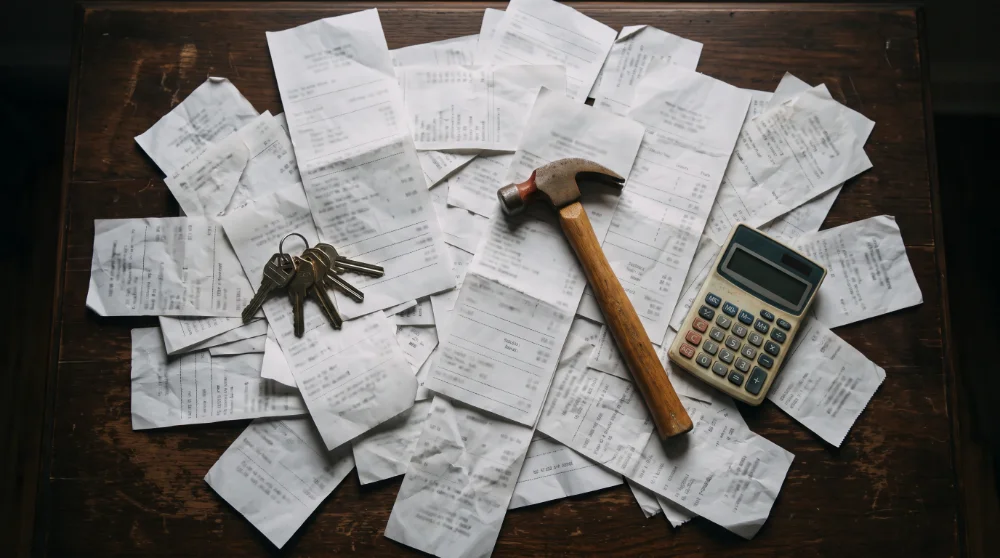
The gross yield fantasy vs. the net reality
You’ll see headlines about rental yields. A one-bed in Cork might show a gross yield of 9%. It looks like the two-bedroom apartment in Dublin is doing pretty well, with an occupancy rate of 7.5%. On paper, it looks like you’re raking it in.
But here’s the thing about gross yields. They’re a bit of a sneaky one, as they’re a lie of omission.
Take that Dublin two-bedroom. The Global Property Guide says the average cost is about €395,000, with a monthly rent of €2,500. That’s a pretty impressive yield of 7.59%. Sounds good to me.
Now, start subtracting. The letting agent is taking 8 to 15% of the rent just for picking up the phone. You’ve got the Local Property Tax. You’ve got landlord insurance, which isn’t the same as home insurance. You’ve got maintenance. If your boiler breaks in January, it’s not something you can deduct from your taxes. It’s a €2,000 bill you’re paying today. And you have vacancy. Even the best tenants leave at some point, and if you’re not getting your rent for a month or two, it can have a negative impact on your annual return.
Experienced landlords are well aware that the net yield is typically 1.5% to 2% lower than the gross figure. That 7.5% suddenly looks a lot more like 5.5%. And that’s before the taxman gets involved!
The tax trap: Exit Tax vs. CGT

This is often where the property argument falls apart for Irish investors.
If you buy a rental property, you pay income tax on the rent (after deductions), USC, and PRSI. It can be more than 50% of your profit, depending on your bracket. When you sell, you’ll have to pay Capital Gains Tax (CGT) on the gain, which is 33%.
If you buy an ETF, the tax treatment is different. It’s called Exit Tax. At the moment, it’s 38%, but it’s set to drop to 35% by 2027. It’s higher than CGT. That’s just how it is.
But the CGT on property isn’t the only tax to consider. Just so you know, there’s stamp duty on the purchase. And of course there are solicitor fees to consider. The costs of buying a property can be pretty brutal. If you buy a €400,000 house, you’ll be down thousands straight away, even before you’ve collected the first month’s rent.
With an ETF, you can buy €400 worth or €40,000 worth for a few euros in commission. You can sell a portion of it on a Tuesday afternoon if you need cash. Try selling a chimney on a Tuesday afternoon!

The liquidity problem (or why you can’t sell a bathroom)
You might think property is safe because it’s illiquid. When the market’s down, you can’t go around selling your house at any price. That’s right. It also means you can’t access your money when you actually need it.
If you lose your job and need to cover the mortgage on your own home, you can’t just sell the spare bedroom of your investment property. You have to sell the whole thing. Or remortgage. Or you could try to find a buyer in a market that’s suddenly gone into freeze mode.
After the crash in 2008, Irish property prices went down by 35% across the country, and in Dublin, apartment prices dropped by over 60%. People who needed to sell couldn’t. They were trapped.
ETFs are liquid. You can sell them in seconds. But that doesn’t mean you should panic sell. But it means the option is there. When you’re in a crisis, it’s really important to have options.
The psychology of “bricks and mortar”
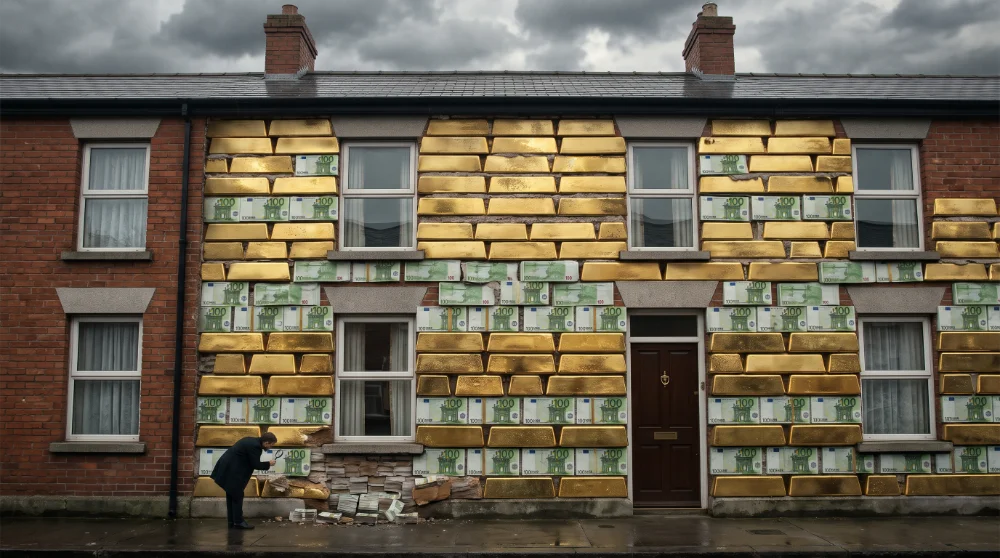
So why do we still love property?
It’s partly about control. You can paint the walls. You can choose the tenant. You can drive past it and feel like it’s your place. You can’t miss your Vanguard FTSE All-World ETF.
It’s all about leveraging the right tools. The bank will lend you €300,000 to buy a house. They’re not going to lend you €300,000 to buy an index fund. Leverage makes your gains bigger. It also makes losses seem worse. Just ask anyone who bought a second property in 2007.
But the main reason is memory. We remember the people who made money on property. We forget the people who lost it. We remember the guy who sold at the top. We’re talking about the couple who bought a one-bed in Leitrim in 2006 and ended up in negative equity for the next decade.
If you want to see what this actually looks like in practice, grab a coffee and watch this breakdown. It takes two investors with exactly the same amount of money – one buys a rental property, the other buys index funds – and tracks every single hidden cost, tax and repair over 20 years. It’s a great look at the real maths behind the “property always wins” myth.
So, here’s the deal:
Investing in property isn’t a bad idea. If you’ve got the right skills, temperament and patience for dealing with tenants at 11pm on a Saturday, it can work.
But it’s not a passive investment. It’s just a job. It’s a business, after all. And there’s a risk of losing focus. You’re putting a lot of money on one asset in one place.
An index ETF is pretty boring, isn’t it? It’s just a spreadsheet. It doesn’t have a nice front or back garden. But it’s diversified. It’s liquid. It’s cheap to own. And for over 30 years, the global stock market has actually performed pretty well against inflation.
The bottom line is, it’s not about which one is better. It’s the one that lets you sleep at night, isn’t it? If you need to see it to believe it, go for it! Just do the sums first. All of them. Not just the ones in the estate agent’s brochure.
The Irish property market in 2026 is a bit of a gamble to be honest. It’s just another type of asset class. As with any investment, it can go down as well as up.